Custom Armored Vehicles for Government and Security Applications
In an era of heightened global threats, custom armored vehicles have become indispensable for government agencies and security operations. These specialized rigs provide unparalleled protection for personnel, assets, and dignitaries in high-risk environments. From diplomatic convoys to tactical law enforcement deployments, custom armoring integrates advanced ballistic materials, surveillance tech, and mobility enhancements. Manufacturers tailor vehicles to specific needs, adhering to stringent standards like CEN, VPAM, or NIJ. This article delves into the key aspects of custom armored vehicles, including types, protection levels, features, and real-world applications, helping stakeholders understand how to select and deploy these critical assets effectively.
Types of Custom Armored Vehicles
Custom armored vehicles come in various forms, each designed for distinct operational roles. Sedans and SUVs, like armored Mercedes S-Class or Toyota Land Cruisers, are popular for discreet executive protection in urban settings. These maintain a civilian appearance while offering ballistic resistance. For heavier duties, armored personnel carriers (APCs) and tactical trucks, such as the Lenco BearCat or Roshel Senator, provide troop transport in conflict zones or riot control.
Specialized variants include cash-in-transit vans for secure logistics and command vehicles equipped with mobile operations centers. Governments often opt for modular designs that allow quick reconfiguration—e.g., adding medical bays for emergency response or drone launch platforms for surveillance. The choice depends on mission profiles: stealth for VIP transport versus robustness for frontline security.
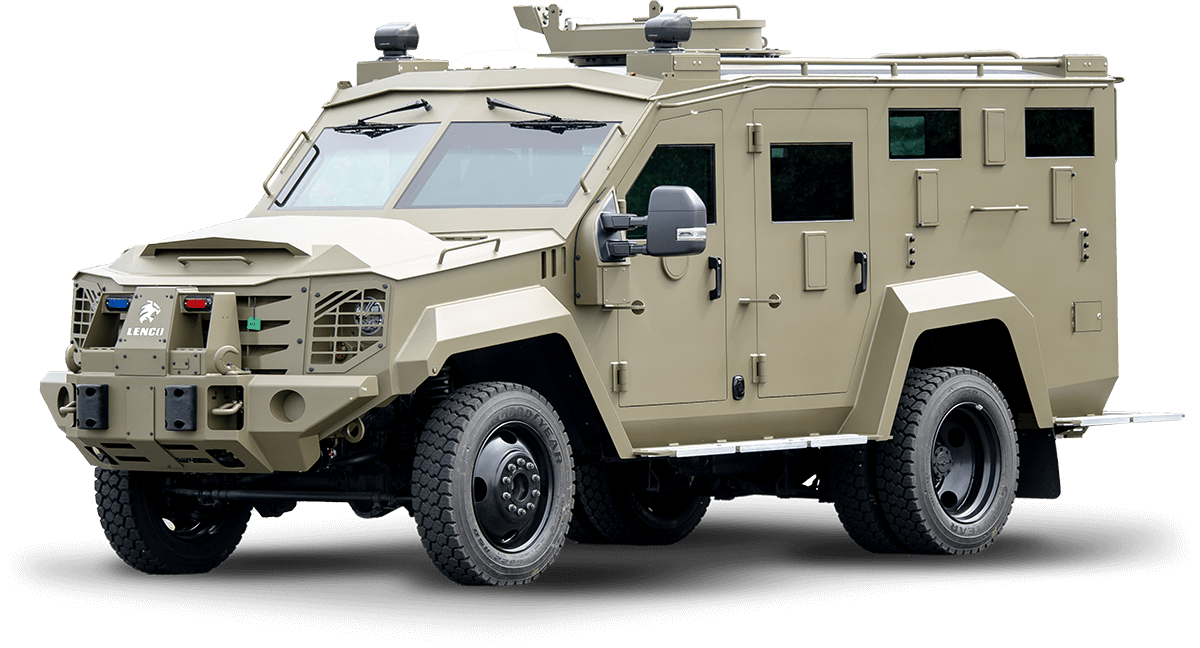
(Image: A rugged armored truck designed for tactical government operations, showcasing heavy-duty build and protective features.)
Protection Levels and Standards
At the core of custom armoring are protection levels that dictate resistance to ballistic, blast, and other threats. Common ratings include B6 for high-velocity rifle defense and B7 for armor-piercing rounds, as per EN 1063 standards. For government applications, higher levels like VPAM VR9 or STANAG 4569 (NATO) are often required, incorporating multi-hit capability and underbody blast protection against IEDs.
Materials play a pivotal role: ballistic steel, aramid composites (e.g., Kevlar), and transparent armor for windows ensure lightweight yet effective shielding. Custom builds might integrate reactive armor or active protection systems that intercept incoming projectiles. Certification from independent labs is mandatory, with vehicles undergoing rigorous testing for penetration, spall, and structural integrity. Security firms prioritize opacity in armoring to blend with non-armored counterparts, avoiding drawing attention.
| Protection Level | Threat Defeated | Typical Applications |
|---|---|---|
| B6/VR7 | 7.62mm FMJ rifles | Diplomatic transport, urban security |
| B7/VR9 | Armor-piercing rounds | High-threat zones, military convoys |
| STANAG Level 3+ | IEDs, grenades | Combat operations, border patrol |
Balancing protection with performance is key—excessive armor can reduce speed and fuel efficiency, so engineers optimize weight distribution and reinforce chassis accordingly.

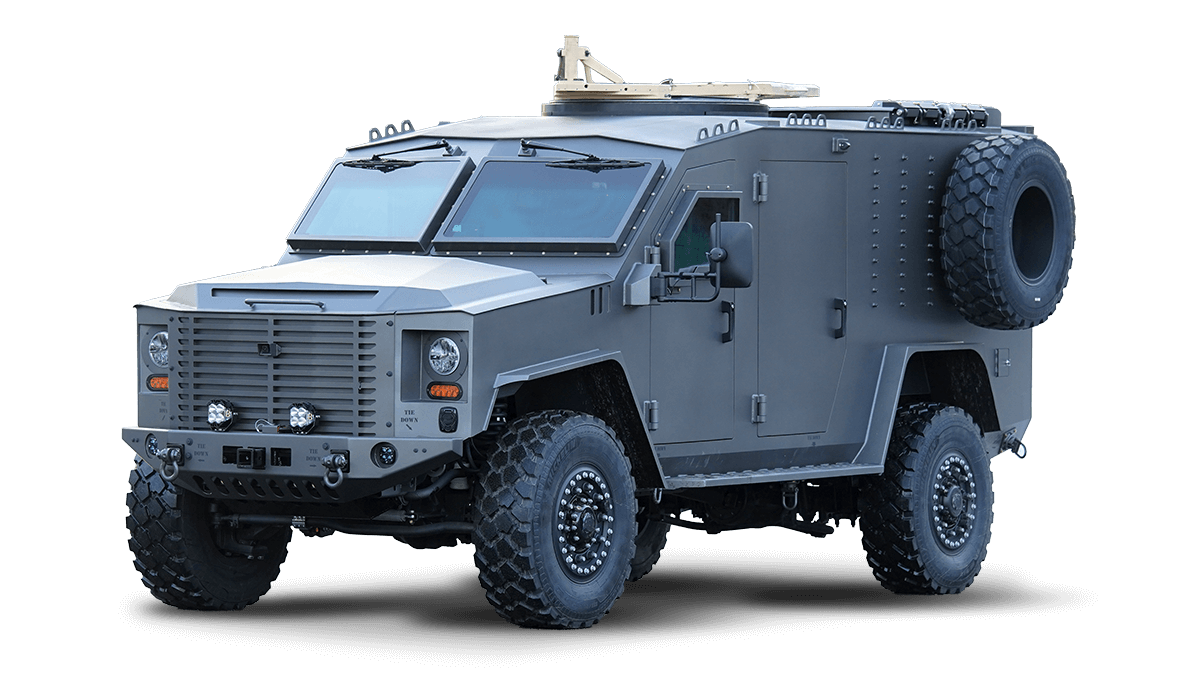
(Image: An advanced armored SWAT vehicle with reinforced structure for security missions.)
Key Custom Features and Technologies
Customization elevates standard vehicles into fortified fortresses. Ballistic glass, often 40-60mm thick, provides clear visibility while stopping bullets. Run-flat tires ensure mobility even after punctures, crucial for escape maneuvers. Advanced features include ECM (electronic countermeasures) to jam radio-controlled explosives, night-vision cameras, and integrated communication suites for secure command links.
For government use, vehicles might incorporate biometric access, oxygen systems for chemical threats, or automated turrets. Interior mods focus on ergonomics: reinforced seats, climate control, and storage for gear. Sustainability is emerging, with hybrid or electric armored variants reducing logistical footprints. Integration of AI for threat detection—scanning for anomalies via sensors—adds proactive defense. Costs vary, but custom features ensure vehicles meet exact specifications, from desert camouflage to urban stealth coatings.
(Image: A tactical armored SUV equipped for law enforcement and security details.)
Leading Manufacturers and Examples
Reputable manufacturers like INKAS, Alpine Armoring, Lenco, and Roshel dominate the market. INKAS specializes in luxury SUVs with B6/B7 protection for diplomats, while Lenco's BearCat series serves SWAT teams worldwide. Roshel's Senator APC, deployed in Ukraine, exemplifies rugged design with modular armor.
Examples include the U.S. Secret Service's "The Beast" (presidential limo) with extreme customizations, or UN peacekeeping vehicles armored against RPGs. Security firms customize base models like Ford F-550s into mobile command centers. Procurement involves tenders, with emphasis on after-sales support like maintenance and upgrades. Emerging players in Asia and Europe offer cost-effective options, but quality certification remains paramount.

(Image: A defense-oriented armored vehicle with counter-UAS capabilities for modern threats.)
Applications in Government and Security
Government applications span diplomatic protection, where armored limos shield ambassadors in volatile regions, to border security with off-road APCs patrolling rugged terrains. Law enforcement uses them for hostage rescues, crowd control, and high-value transports. In counter-terrorism, vehicles enable rapid response with onboard weaponry and medical kits.
Private security firms deploy them for executive protection in corporate or celebrity contexts, often under government contracts. Challenges include regulatory compliance—export controls on military-grade tech—and training for operators. Future trends point to autonomous features and enhanced cyber defenses against hacking. Real-world efficacy is proven: armored vehicles have saved lives in ambushes and bombings across Iraq, Afghanistan, and urban hotspots.
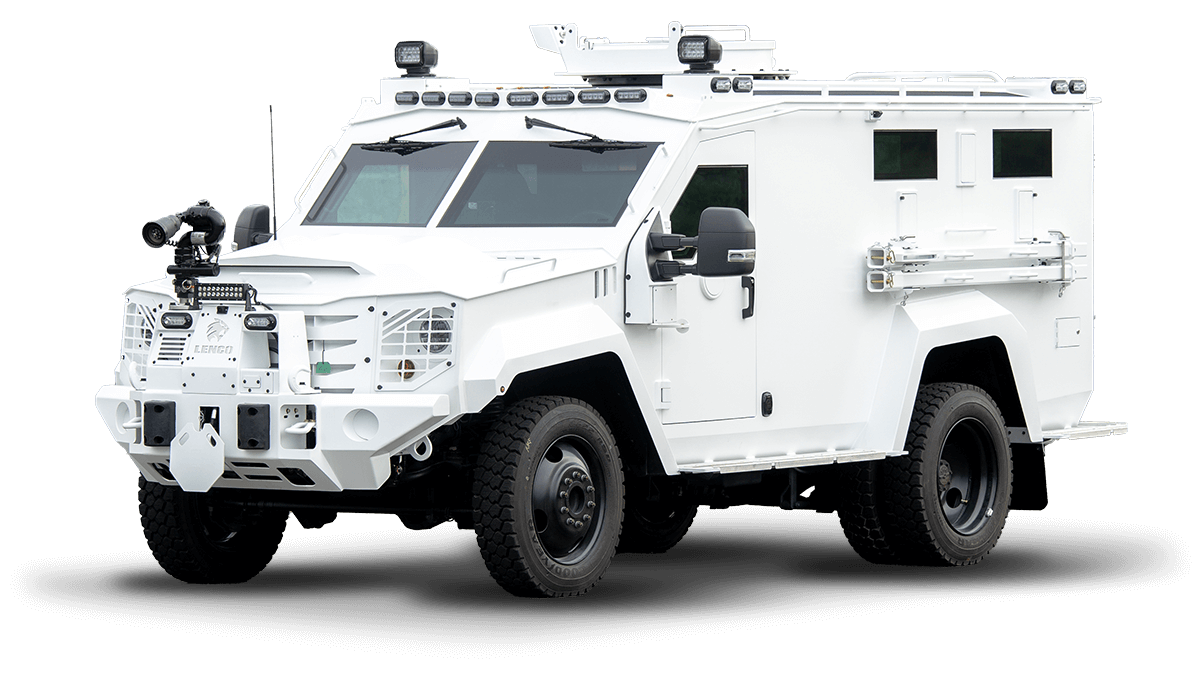
(Image: A specialized medical armored vehicle for emergency and security operations.)
Conclusion
Custom armored vehicles are vital for safeguarding government and security personnel in an unpredictable world. By selecting appropriate types, protection levels, and features, agencies can enhance operational effectiveness while minimizing risks. As threats evolve, so do these vehicles, incorporating cutting-edge tech for superior defense. For those maintaining fleets, proper care is essential—explore our insights on Offroad Camper Maintenance Tips for related vehicle upkeep strategies.


评论
发表评论