The Weight Factor: How Armor Impacts Your Vehicle’s Suspension and Brakes
Armoring a luxury SUV or sedan for ballistic protection adds hundreds or thousands of pounds. A typical B6-level conversion on a Cadillac Escalade or Mercedes-Benz G-Class adds 1,000–2,000+ lbs, while B7 or higher levels can exceed 2,500 lbs. This extra mass dramatically affects handling, ride quality, braking distance, and long-term component wear. In 2026, with more CEOs and high-net-worth individuals choosing discreetly armored vehicles, understanding the weight factor is critical for safety, performance, and maintenance planning.
This guide explores how added armor weight stresses suspension and brakes, the engineering solutions armoring specialists use, real-world performance impacts, and best practices for owners.


How Much Weight Does Armor Actually Add?
Weight gain depends on protection level, vehicle size, and materials:
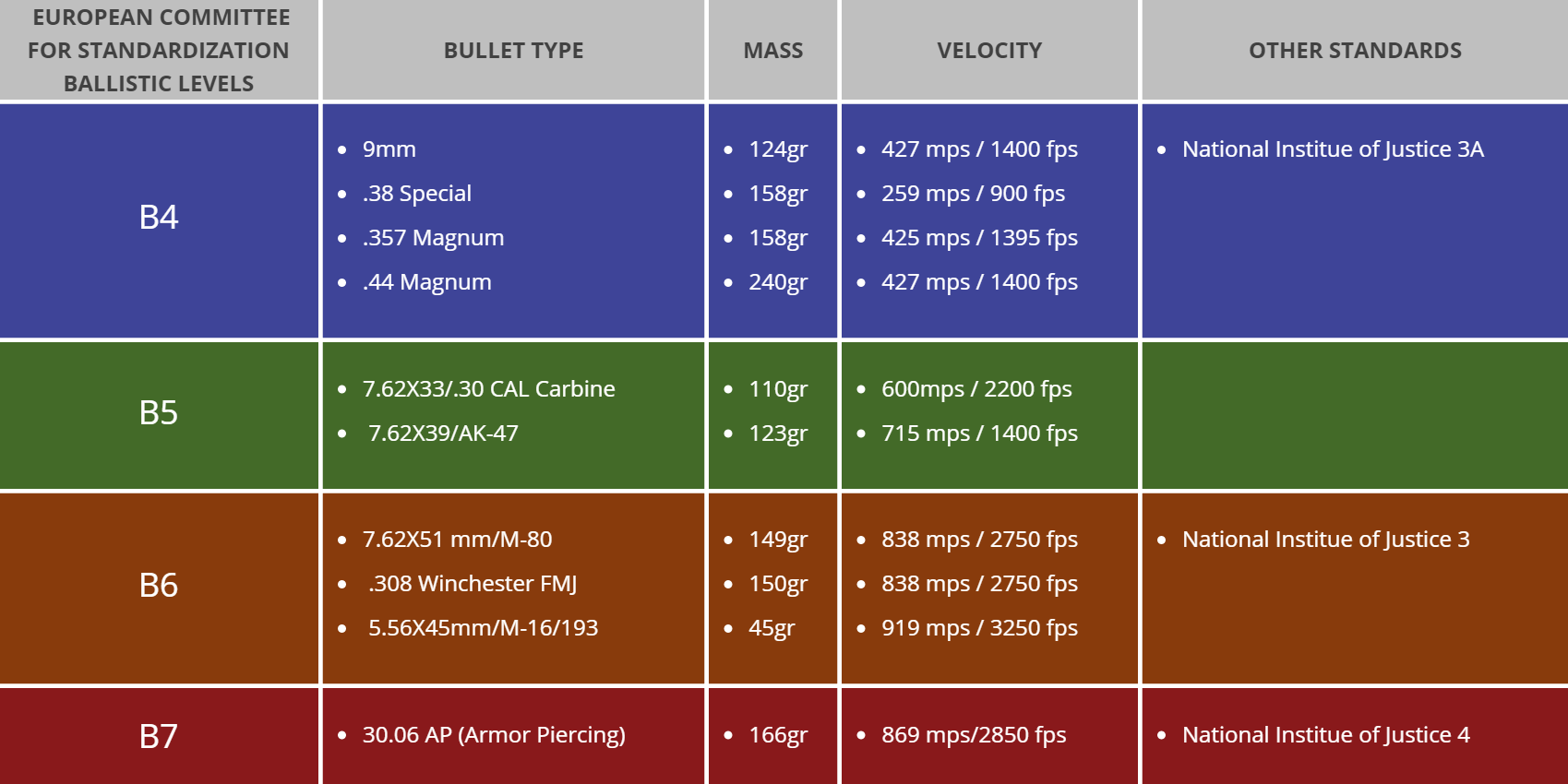
- B4 (Handgun protection): 400–800 lbs — Minimal impact, often manageable with minor upgrades.
- B6 (Rifle protection — most common for executives): 1,000–2,000 lbs — Noticeable but engineered for daily use.
- B7 (Armor-piercing protection): 1,500–3,000+ lbs — Significant; requires comprehensive chassis reinforcement.
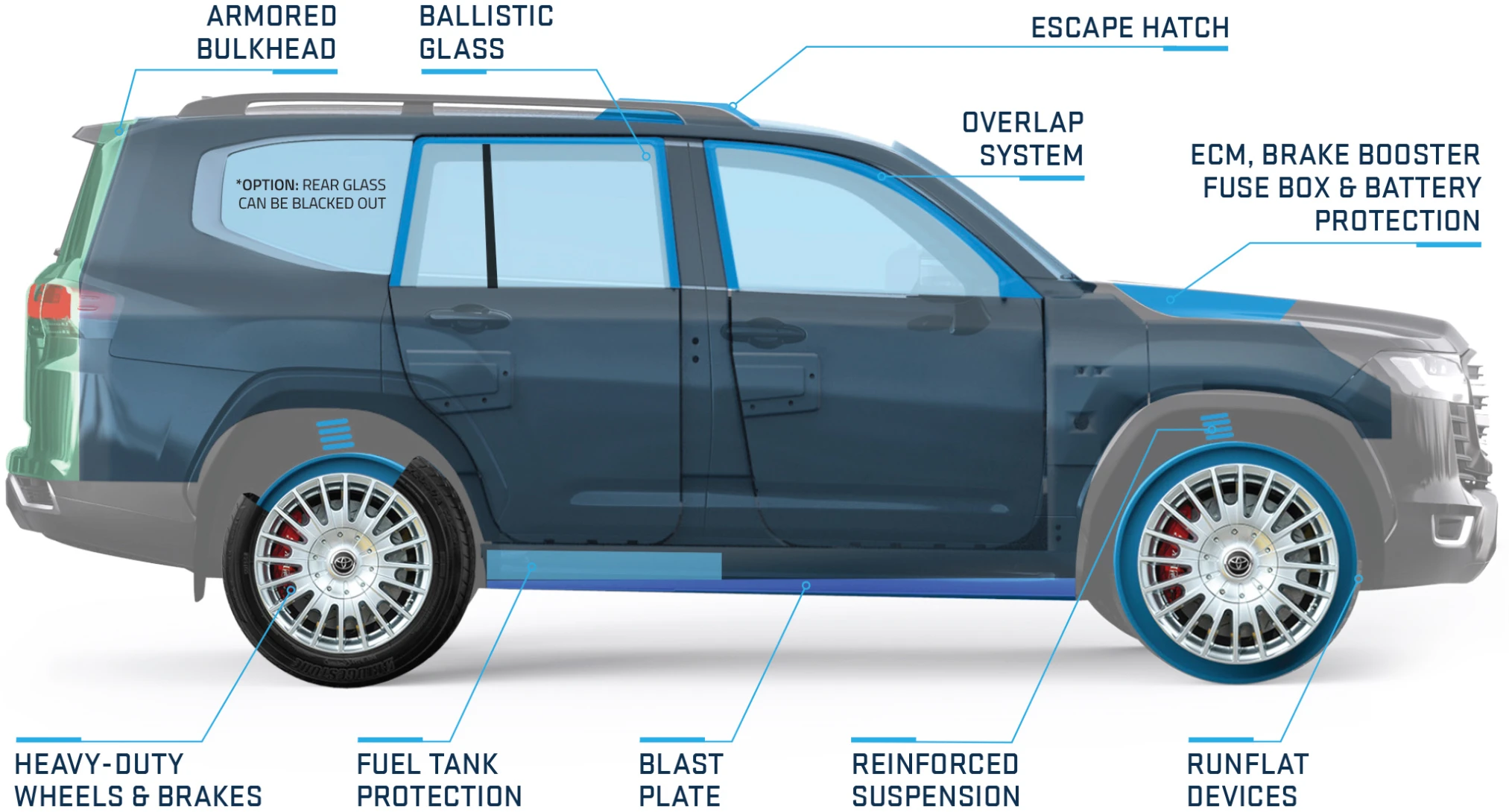
Modern armoring uses lightweight composites, ceramics, and optimized steel overlaps rather than old-school thick plates, but ballistic glass alone (thicker at higher levels) contributes heavily — up to 200–400 lbs just for all windows.
The added mass raises the center of gravity, increases inertia during acceleration/braking/turning, and places constant load on springs, shocks, bushings, and brake components.

Impact on Suspension: Ride, Handling, and Durability
Stock suspension is tuned for a vehicle’s original curb weight. Adding armor overloads springs and shocks, leading to:
- Sagging and reduced ground clearance — Rear end drops noticeably; front may follow with heavy engine bay armor.
- Poorer ride quality — Harsh over bumps; bottoming out on rough roads.
- Reduced handling — Increased body roll in corners, slower response, and higher rollover risk.
- Accelerated wear — Premature failure of shocks, struts, control arms, ball joints, and bushings. Tires wear unevenly and faster.
Without upgrades, even a powerful Escalade (with its 682 hp supercharged option) feels sluggish and unstable when fully loaded with armor.
Engineering Solutions:
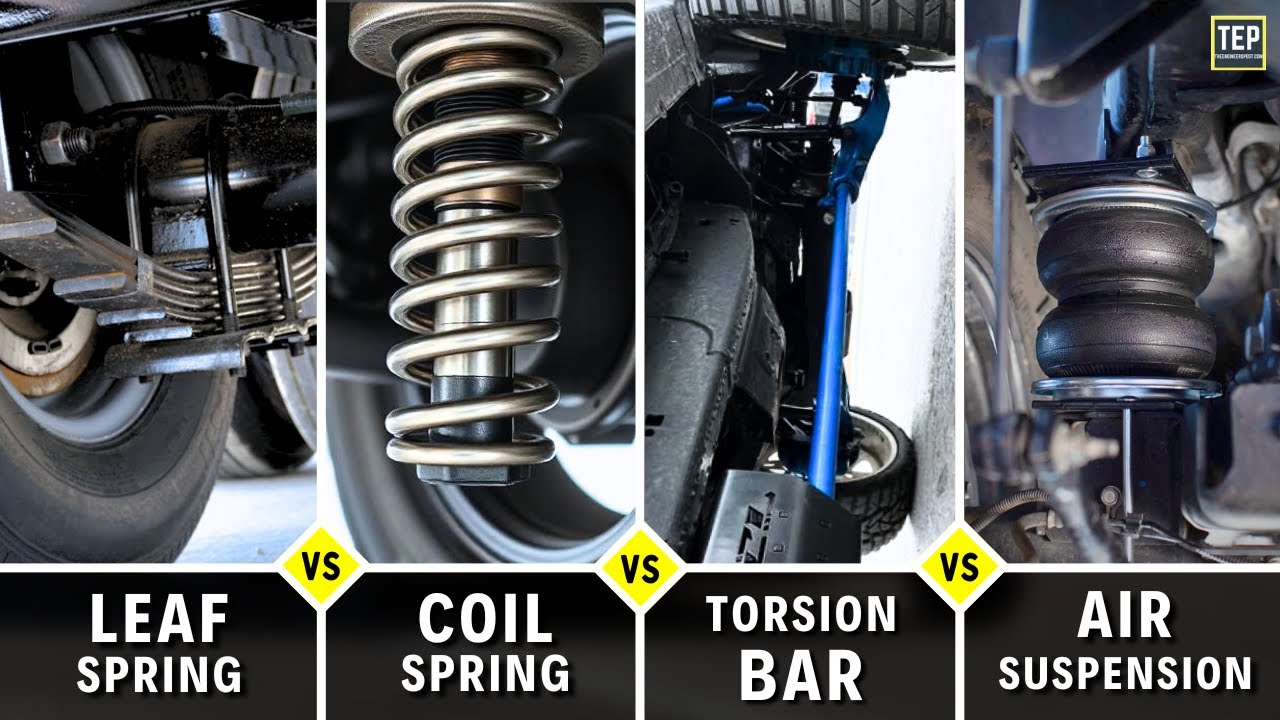
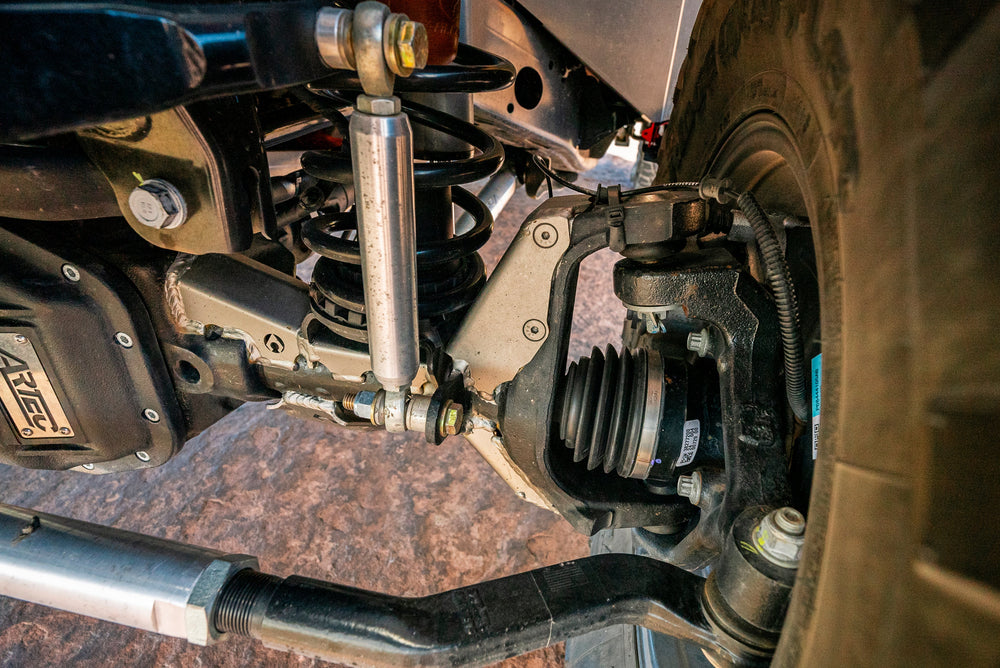
- Heavy-duty coil springs or air suspension upgrades — Stiffer rates restore ride height and load capacity.
- Reinforced shocks and struts — Monotube or adjustable dampers (e.g., from Bilstein, Fox, or custom armoring kits) handle the extra mass.
- Upgraded sway bars and bushings — Reduce body roll.
- Reinforced control arms and mounting points — Prevent flex or failure under load.
- Heavy-duty wheel bearings and hubs — Essential for larger, heavier run-flat tires.
Many armoring firms (INKAS, Alpine Armoring, Armormax) integrate these during conversion, often pairing with reinforced subframes or chassis bracing for B6/B7 builds.
Impact on Brakes: Stopping Power and Heat Management
Extra weight dramatically increases kinetic energy (½mv²). A vehicle that gains 1,500 lbs needs significantly more braking force to stop safely, especially from highway speeds.
Consequences of unupgraded brakes:
- Longer stopping distances (20–40% increase possible).
- Overheating and brake fade during repeated stops or downhill driving.
- Premature pad/rotor wear; potential warping or cracking.
- Reduced effectiveness in emergency maneuvers.
Solutions in armored vehicles:
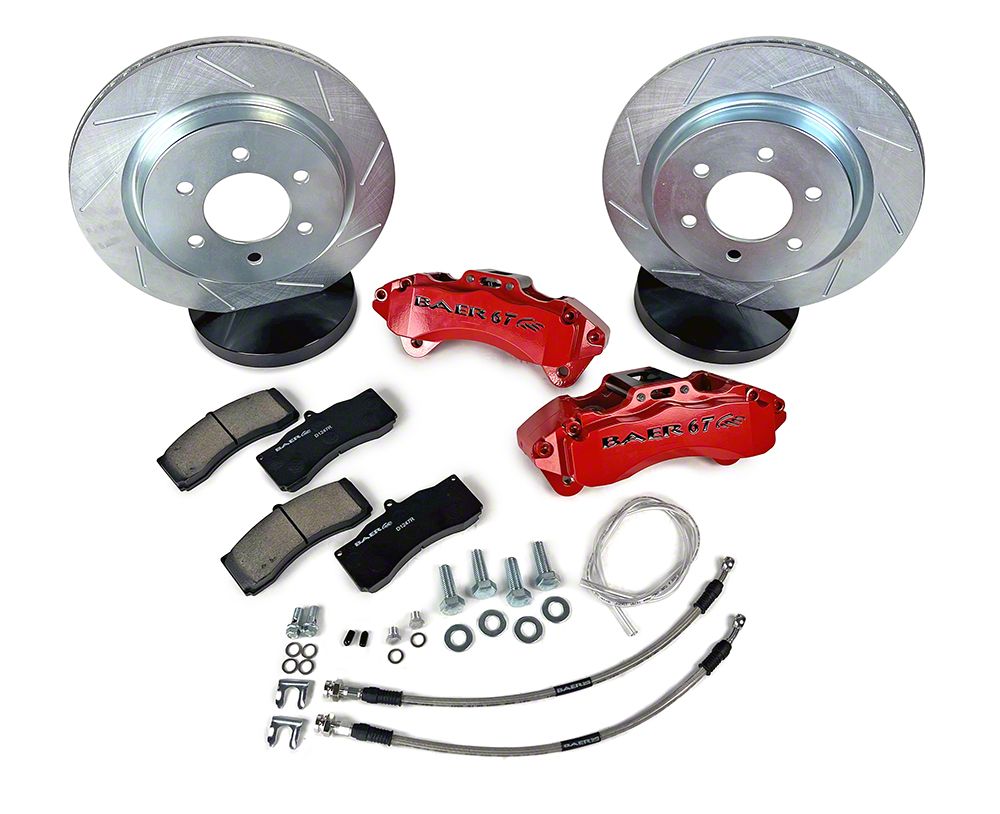
- Big brake kits (BBKs) — Larger diameter rotors (often 14–16+ inches) with multi-piston calipers (4–6 pistons).
- High-performance brake pads — Ceramic or semi-metallic compounds designed for heat and heavy loads.
- Stainless steel braided brake lines — Better pedal feel and durability.
- Upgraded master cylinder and booster — Increased hydraulic pressure.
- Ventilated and slotted/drilled rotors — Superior heat dissipation.
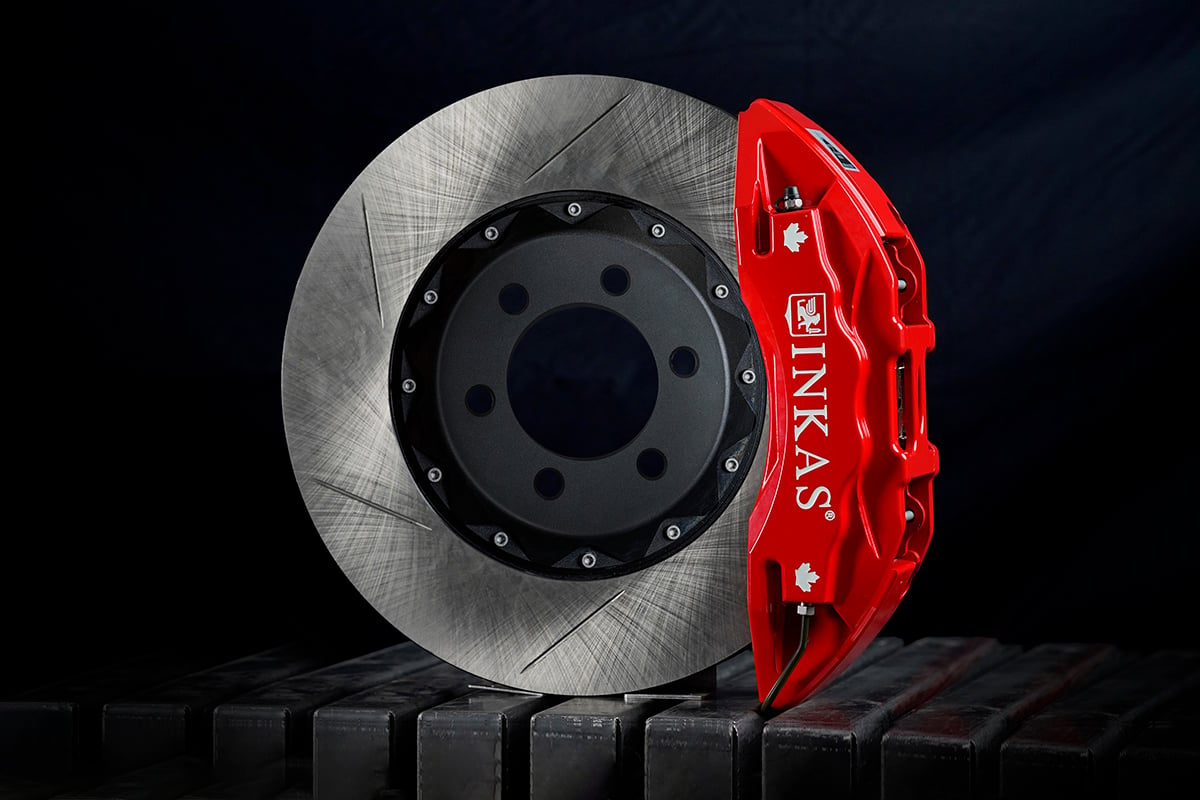
Firms like INKAS now offer Stage III big brake kits specifically optimized for armored vehicles, with red or black calipers that complement luxury aesthetics while delivering military-grade stopping power.
Real-World Performance and Owner Considerations
Daily Driving:
- A B6-armored Escalade with proper suspension and brake upgrades maintains confident highway manners and responsive acceleration thanks to its powerful engine.
- Without upgrades, the same vehicle may feel “mushy,” with delayed throttle response and soft braking.
Maintenance Costs:
- Expect 20–50% higher wear on suspension and brake components.
- Tires (often run-flats) need replacement more frequently and cost more.
- Alignment and balancing become critical; professional shops familiar with armored vehicles are recommended.
Fuel Economy:
- Drops 10–25% depending on weight added and driving style.
Safety Trade-offs:
- Properly engineered armor actually improves safety by adding structural rigidity, but only if suspension and brakes are upgraded accordingly. Unmodified vehicles can become dangerously unpredictable.
Best Practices for Armored Vehicle Owners
- Choose a Reputable Armorer — Firms that certify full-vehicle performance (not just ballistic plates) will include suspension and brake upgrades as standard.
- Budget for Upgrades — Factor in $15,000–$50,000+ beyond base armoring for comprehensive chassis work on B6/B7 vehicles.
- Test Drive Extensively — Insist on a post-armoring test that includes emergency braking, highway merging, and loaded cornering.
- Scheduled Maintenance — Shorten intervals for brakes, suspension, and alignment. Use synthetic fluids and high-quality parts.
- Tire Selection — Run-flat or reinforced tires rated for the new weight; consider all-terrain options for versatility.
- Professional Drivers — Many executives pair armored vehicles with trained chauffeurs skilled in evasive maneuvers.
The Future: Lighter Materials and Smarter Engineering
Advancements in nanomaterials, carbon-fiber composites, and electric/hybrid platforms are reducing weight penalties. Some 2026+ armored EVs integrate armor into the battery structure for better weight distribution. AI-monitored adaptive suspension (air or magnetic ride) will automatically adjust to load and road conditions.
Conclusion: Weight Is Manageable — With the Right Engineering
The added mass from ballistic armor is not a deal-breaker — it’s a solvable engineering challenge. When suspension and brakes are properly upgraded, an armored SUV retains luxury ride quality, strong performance, and superior safety. For quiet millionaires and corporate leaders prioritizing discreet protection, investing in these supporting systems ensures the vehicle remains a reliable daily driver rather than a compromised tank.
Always work with certified armoring specialists who treat the entire vehicle holistically. In an era of heightened threats, smart weight management turns potential liabilities into life-saving strengths.


评论
发表评论